藝術家訪談
࿐「花園」之後,澳門會成為什麼?What will Macau become after the "Garden"?࿐
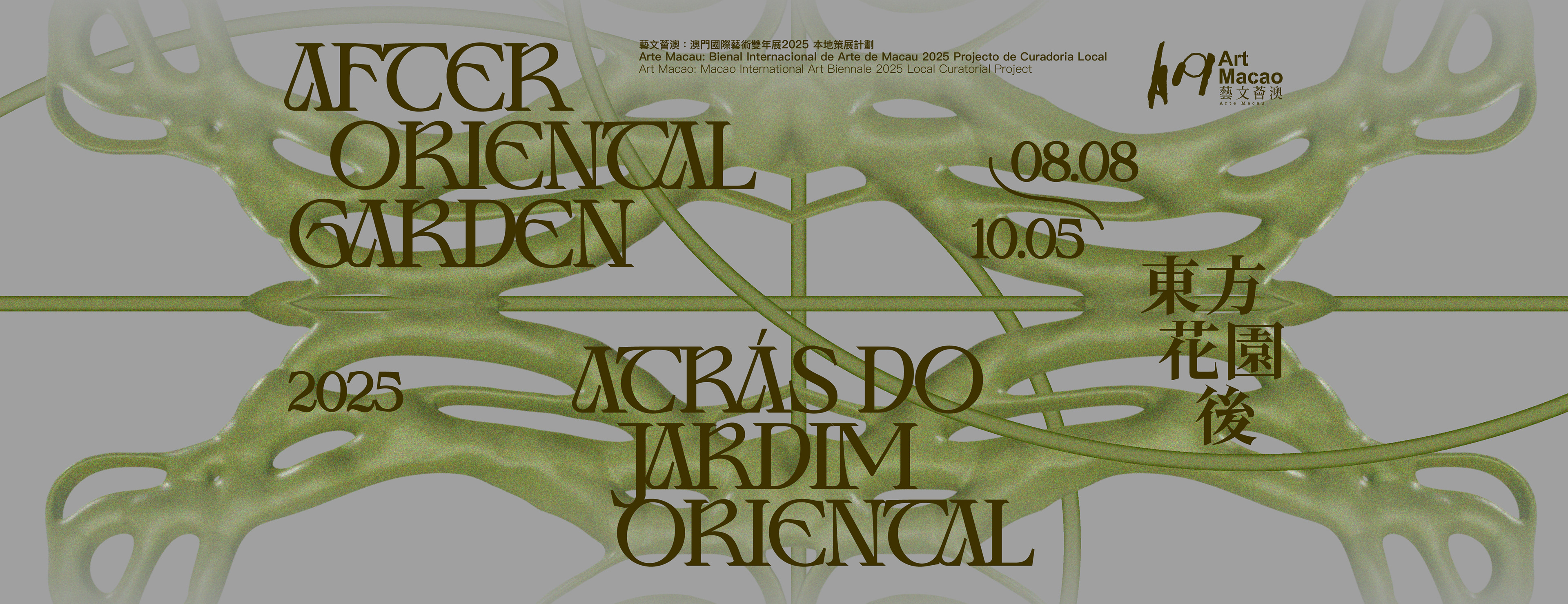
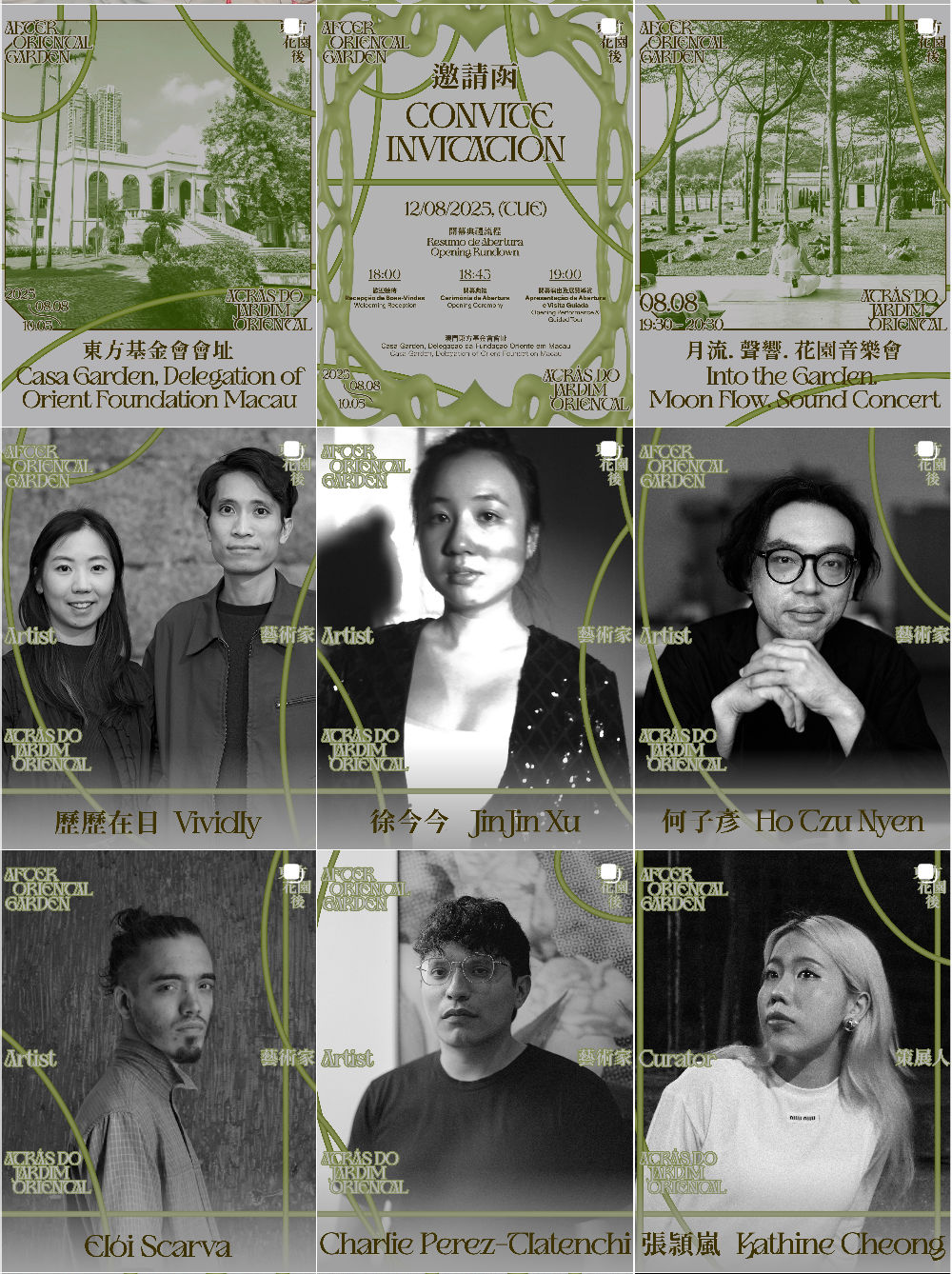
⚘《東方花園後》策展人張頴嵐 Kathine Cheong Weng Lam @kathinekc ⚘
「澳門曾經要規劃成為『遠東最美花園』的城市。」策展人張頴嵐的策展起點,「但我更好奇的是那些跟著航海時代一起來到澳門的『居民』——不只是人,還有各種動植物。」
對張氏而言,策展是重新梳理我們與世界關係的方式,《東方花園後》正是她對這段複雜歷史的切入點。
她邀請觀者在東方基金會的百年建築中,與五組藝術家一同探索被邊緣化的聲音,一探當代藝術在拓展出能被改變與再詮釋的多重宇宙世界觀。願展覽成為誘發行動的種子,帶著這些問題意識,在時間洪流中不斷萌芽生長出各種根莖,讓一切皆可生成流變。
"Macau was once hailed as 'the most bustling and most beautiful garden city in the Far East,” This is the starting point for curator Kathine Cheong Weng Lam, "but I'm more curious about those 'residents' who came to Macau during the age of navigation—not just people, but also various flora and fauna."
For Cheong, curating is a way to reframe our relationship with the world, and "After Oriental Garden" is precisely her entry point into this complex history.
She invites visitors to explore marginalized voices alongside five groups of artists in the century-old building of the Casa Gareden, investigating how contemporary art expanding into a multiverse worldview that can be modified and reinterpreted. May this exhibition serve as a seed of action, carrying these questions forward to ceaselessly sprout various rhizomes in the flow of time and allowing everything to becoming.
⚘《東方花園後》策展人張頴嵐 Kathine Cheong Weng Lam @kathinekc ⚘
「澳門曾經要規劃成為『遠東最美花園』的城市。」策展人張頴嵐的策展起點,「但我更好奇的是那些跟著航海時代一起來到澳門的『居民』——不只是人,還有各種動植物。」
對張氏而言,策展是重新梳理我們與世界關係的方式,《東方花園後》正是她對這段複雜歷史的切入點。
她邀請觀者在東方基金會的百年建築中,與五組藝術家一同探索被邊緣化的聲音,一探當代藝術在拓展出能被改變與再詮釋的多重宇宙世界觀。願展覽成為誘發行動的種子,帶著這些問題意識,在時間洪流中不斷萌芽生長出各種根莖,讓一切皆可生成流變。
"Macau was once hailed as 'the most bustling and most beautiful garden city in the Far East,” This is the starting point for curator Kathine Cheong Weng Lam, "but I'm more curious about those 'residents' who came to Macau during the age of navigation—not just people, but also various flora and fauna."
For Cheong, curating is a way to reframe our relationship with the world, and "After Oriental Garden" is precisely her entry point into this complex history.
She invites visitors to explore marginalized voices alongside five groups of artists in the century-old building of the Casa Gareden, investigating how contemporary art expanding into a multiverse worldview that can be modified and reinterpreted. May this exhibition serve as a seed of action, carrying these questions forward to ceaselessly sprout various rhizomes in the flow of time and allowing everything to becoming.
࿐穿越空無 幽靈、低語與邊界 / Through the Emptiness: Ghosts, Whispers, and Liminal Spaces ࿐
⚘參展藝術家 Participanting Artist | 徐今今 JinJin Xu⚘
⚘藝術家及詩人徐今今在疫情期間的澳門,面對空無一人的賭場如同置身閾限空間,她透過霧幕和光影,讓觀者走入一個變異的後遺忘狀態,形成作品《你身上仍有一些幽靈氣息》。
今今希望自己的作品都是一首詩(或詩的變體),用了八年時間,在十多個國家的邊境地區、難民、民工家、女性臨時居所和庇護所中的女性交談,重組成一場集體傾聽 ——《如果可以,你身上會聽見什麼?》,讓觀者突破共情界限,感受被隔絕空間中女性的幽閉與低語。
⚘ 走入霧幕、聲音與影像之中,探索被遺忘的聲音、身體與空間的微妙連結。
⚘Artist and poet JinJin Xu, during the pandemic period in Macau, wandered through empty casinos and encountered liminal spaces. Using fog and light, she leads viewers into a transformed, globally hypnotic state in her work “You Still Have Something of the Ghost About You”.
Jinjin envisions all her works as poems—or variations of poetry—and over eight years, she engaged in conversations with women across borderlands, refugee camps, migrant homes, and temporary shelters in more than ten countries. These exchanges were reassembled into a collective listening experience—”What Would You Hear If You Could?”—inviting viewers to expand the limits of empathy and feel the confinement and whispers of women in isolated spaces.
⚘ Step into the fog, sound, and poetic installation, and explore the subtle connections between forgotten voices, bodies, and space.
࿐《被膜——迴聲室》 記憶的物質之鏡 / Capsula – Echo Chambers ࿐
⚘ 參展藝術家 Participanting Artist: Elói Scarva @eloiscarva ⚘
⚘ 八件工業遺構靜靜佇立於樓梯之上,封存城市中被遺忘的片段——廢棄磚、單向鏡、茶葉、寺廟香灰、瓷器碎片、牡蠣殼,每件物件都是時間的見證,承載著居所與文化交匯的記憶。
⚘玻璃,倒影與物料交織,觀眾彷彿在參與一場持續進行的記憶對話,不斷於展品相互對望和凝視,讓歷史碎片得以再生、低語與回響。
⚘ 展覽到最後三週,穿梭物件之間,感受它們靜默訴說的故事,探索城市、建築與人之間的微妙連結。
⚘ Eight industrial relics stand silently atop the stairs, preserving fragments of the city—salvaged bricks, one-way mirrors, loose tea leaves, temple incense ash, porcelain shards, oyster shells. Each object is a witness to time, carrying memories of home and cultural intersections.
⚘ Glass, reflections intertwine with the objects, as if participating in an ongoing dialogue of memory. The artworks quietly watch one another, allowing fragments of history to be reborn, whisper, and resonate.
⚘ In the final three weeks of the exhibition, step among these objects, feel the stories they silently tell, and explore the subtle connections between city, architecture, and people.
࿐ 城市與歷史如何透過拼貼進行對話?
How do cities and histories converse through collaging?࿐
⚘ 參展藝術家 Participanting Artist : Charlie Perez-Tlatenchi @mxtrxpxl ⚘
來自紐約的Charlie ,從日常散步與社區觀察開始創作,收集各種影像素材,將不同媒介拼貼呈現多重歷史與視角。這次來到澳門展出,他注意到作品的元素卻意外地呈現出另一種「澳門式」文化共存。
作品裡的光線、材質和影像變化,不僅呼應時間的流轉,也讓觀者感受到文化與殖民脈絡如何影響理解與感知。Charlie 認為,藝術的意義並非固定,而是在不同城市、不同空間中,隨著觀者與環境不斷產生新的解讀。
Charlie is a New York-based artist. His practice begins with everyday walks and observations in the neighborhood, collecting images and combining them through collage to reveal multiple histories and perspectives.
During his exhibition in Macau, he noticed that a work unexpectedly reflected a “Macanese” cultural coexistence. The interplay of light, material, and imagery mirrors the passage of time, inviting viewers to experience how culture and context shape interpretation. Charlie believes that art’s meaning is never fixed—it evolves with different cities, spaces, and audiences.